Understanding the business model of online marketplaces is crucial for both buyers and sellers. In Brazil, Shopee has emerged as a significant e-commerce platform. A common question among users is, is shopee c2c or b2c? To properly answer this, it’s essential to understand the fundamental differences between these models and how Shopee operates within the Brazilian market.

1 / 2

R$ 5.199,00

R$ 1.899,00
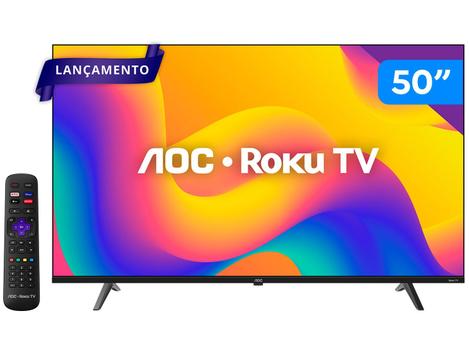
R$ 1.851,55

R$ 9.719,10
Defining C2C and B2C E-commerce Models
Before delving into Shopee’s specific model, let’s define what C2C and B2C stand for. C2C, or Consumer-to-Consumer, involves transactions between individual consumers. Examples include platforms like eBay or Facebook Marketplace, where individuals sell directly to other individuals. B2C, or Business-to-Consumer, refers to businesses selling directly to consumers, such as traditional online retailers like Amazon or the online stores of established brands.
The distinction lies primarily in the seller’s identity. In a C2C model, the seller is an individual, often selling used or handmade items. In contrast, a B2C model involves professional businesses selling new products or services with the intention of making profit. Understanding these distinctions is vital when evaluating the nature of any e-commerce platform.
How Shopee Operates: A Hybrid Approach
So, is shopee c2c or b2c? Shopee’s operational model in Brazil isn’t strictly one or the other. Instead, it incorporates elements of both C2C and B2C models. This hybrid approach makes it a unique and versatile platform catering to a wide range of sellers and buyers. On Shopee, you’ll find individual sellers, small businesses, and even larger established brands all offering products.
The platform’s initial focus was more on the C2C side, empowering individual sellers to reach a broader audience. However, over time, Shopee has actively attracted more businesses, creating a B2C presence on the platform. This evolution has resulted in a diverse marketplace where consumers can find products from various types of sellers, all within a single platform.
The C2C Aspect of Shopee in Brazil
The C2C component of Shopee is prominent, especially for individual sellers and small-scale artisans. These sellers often offer unique, handmade, or pre-owned items. Shopee provides them with a platform to reach a wide customer base without the need for significant investment in infrastructure or marketing. This accessibility is a key factor in Shopee’s popularity among individual entrepreneurs in Brazil.
Furthermore, Shopee’s user-friendly interface and seller tools make it relatively easy for individuals to list products, manage inventory, and process orders. The platform also offers features like seller ratings and reviews, which help build trust between buyers and sellers in the C2C environment. This transparency is important for fostering a healthy and reliable marketplace for consumer-to-consumer transactions.
The B2C Aspect of Shopee in Brazil
Alongside its C2C presence, Shopee has also significantly expanded its B2C offerings. Many established businesses and brands have set up shop on Shopee to tap into the platform’s large user base. This B2C presence brings several advantages to consumers, including access to a wider range of products, competitive pricing, and the assurance of buying from reputable businesses.
Shopee often partners with brands to offer exclusive deals and promotions, further enhancing its appeal to consumers. These partnerships not only benefit the brands by increasing their visibility but also provide consumers with opportunities to purchase products at discounted prices. As a result, the B2C aspect of Shopee contributes significantly to the platform’s overall growth and popularity.
Benefits of Shopee’s Hybrid Model
Shopee’s hybrid C2C and B2C model creates a dynamic and competitive marketplace. Consumers benefit from a wide selection of products, ranging from unique handmade items to mass-produced goods from established brands. This diversity allows shoppers to find exactly what they are looking for, often at competitive prices.
For sellers, Shopee’s platform offers opportunities for both individuals and businesses to reach a large and engaged customer base. Individual sellers can leverage Shopee’s tools and features to start and grow their businesses, while larger businesses can use the platform to expand their reach and increase sales. The hybrid model fosters a mutually beneficial ecosystem for both buyers and sellers.
Impact on the Brazilian E-commerce Market
Shopee’s entry into the Brazilian e-commerce market has had a significant impact, disrupting the existing landscape and providing consumers with more choices and competitive prices. The platform’s focus on mobile commerce and its user-friendly interface have resonated well with Brazilian consumers, contributing to its rapid growth and popularity.
Additionally, Shopee’s emphasis on localized marketing and payment options has helped it gain traction in the Brazilian market. By tailoring its offerings to the specific needs and preferences of Brazilian consumers, Shopee has successfully established itself as a major player in the e-commerce sector. This localization strategy has been crucial for its success in a competitive market.
Analyzing Shopee’s Seller Landscape
A closer look at Shopee’s seller landscape reveals a diverse mix of individuals and businesses. You’ll find individual artisans selling handmade crafts, small businesses offering niche products, and large retailers offering well-known brands. This variety caters to a wide range of consumer needs and preferences, making Shopee a one-stop-shop for many Brazilian shoppers.
The platform’s seller tools and resources also play a key role in fostering a thriving seller community. Shopee provides sellers with access to data analytics, marketing tools, and customer support, helping them optimize their listings, reach more customers, and improve their overall performance. This support is essential for empowering sellers to succeed on the platform.
The Role of Logistics and Payment Solutions
Efficient logistics and convenient payment solutions are crucial for the success of any e-commerce platform. Shopee has invested heavily in both areas to ensure a seamless shopping experience for its users in Brazil. The platform has partnered with various logistics providers to offer reliable and affordable shipping options, while also providing a range of payment methods, including credit cards, bank transfers, and digital wallets.
These investments in logistics and payment solutions have helped Shopee overcome some of the challenges associated with operating in the Brazilian market, such as high shipping costs and limited access to credit. By providing convenient and reliable options, Shopee has made it easier for consumers to shop online and for sellers to reach a wider audience.
How to Identify Seller Types on Shopee
While Shopee features both C2C and B2C sellers, identifying the type of seller can be beneficial for buyers. Look for indicators like seller ratings, the number of reviews, and the types of products offered. Businesses often have consistent branding and a wide range of products, while individual sellers may have unique, one-of-a-kind items. Checking the seller’s profile and reading reviews can provide valuable insights.
Shopee also offers features like “Shopee Mall,” which is a dedicated section for verified brands and authorized retailers. Shopping from Shopee Mall can provide added assurance of product authenticity and quality. Therefore, take advantage of these tools to make informed purchasing decisions.
What are the Key Differences Between Selling C2C vs B2C on Shopee?
What are the Key Differences Between Selling C2C vs B2C on Shopee?
Selling C2C and B2C on Shopee involves different approaches. C2C sellers typically focus on individual sales, often listing unique or used items. Their profit margins may be lower, and they might not have the resources for extensive marketing. B2C sellers, on the other hand, operate with a business mindset. They often have larger inventories, standardized pricing, and marketing strategies to drive sales.
Moreover, B2C sellers tend to focus on building a brand presence and providing consistent customer service. They may also invest in advertising and promotions to attract more customers. Understanding these differences can help sellers tailor their approach to the platform and maximize their chances of success.
The Future of Shopee in Brazil
Looking ahead, Shopee is poised to continue its growth and expansion in the Brazilian e-commerce market. The platform’s innovative approach, its focus on mobile commerce, and its hybrid C2C and B2C model position it well for future success. As Shopee continues to evolve and adapt to the changing needs of Brazilian consumers, it is likely to remain a major player in the e-commerce landscape.
Moreover, Shopee’s investments in logistics, payment solutions, and seller support will further enhance its appeal to both buyers and sellers. By providing a seamless and convenient shopping experience, Shopee can continue to attract new users and retain existing ones. This continued growth will solidify its position as a leading e-commerce platform in Brazil.
Conclusion: Understanding Shopee’s Business Model
In conclusion, answering the question of is shopee c2c or b2c, we see that Shopee operates using a hybrid model in Brazil, incorporating elements of both C2C and B2C e-commerce. This approach provides a diverse marketplace for both buyers and sellers. It allows individual sellers to connect with a broad audience and enables businesses to expand their reach. Therefore, understanding this hybrid nature is essential for anyone looking to buy or sell on the platform. Ultimately, Shopee’s success lies in its ability to cater to a wide range of users and provide a seamless and convenient shopping experience for everyone involved.