Understanding the nature of online marketplaces is crucial in today’s e-commerce landscape. As consumers increasingly turn to digital platforms for their shopping needs, it’s essential to clarify the roles and functions of these platforms. One such platform that has gained immense popularity is Shopee. This article aims to delve into the question, “Is Shopee a retailer?” and provide a comprehensive overview of its operational model.

1 / 2

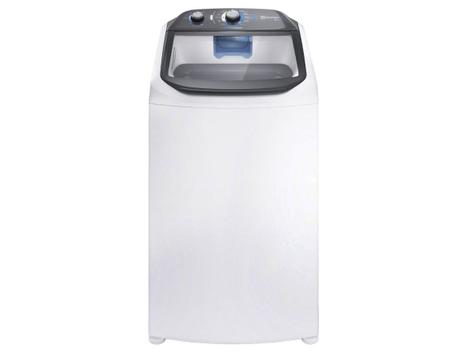
R$ 5.199,00
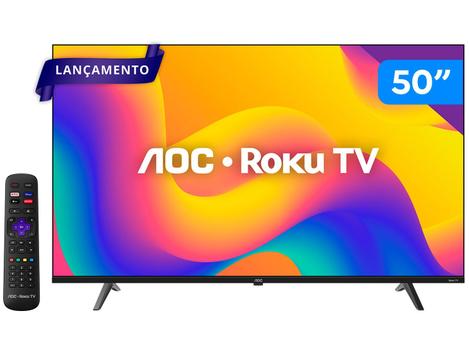
R$ 1.899,00
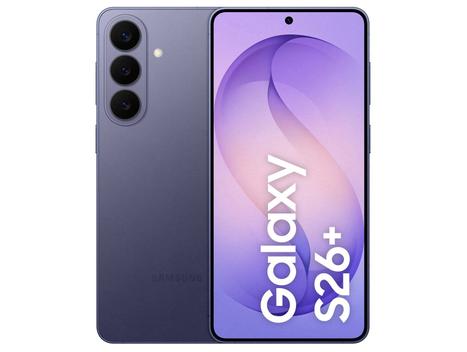
R$ 1.851,55
R$ 9.719,10
Many users, especially those new to online shopping, often wonder about the business model of platforms like Shopee. This article clarifies Shopee’s role in the e-commerce ecosystem, shedding light on whether it acts as a direct seller or primarily as a facilitator for other sellers. By exploring its operational structure, we can better understand how Shopee functions and interacts with both sellers and buyers.
Unveiling Shopee’s Business Model: Is Shopee a Retailer?
To answer the question, “Is Shopee a retailer?”, it’s important to understand that Shopee primarily operates as a marketplace platform. This means that Shopee does not typically sell products directly to consumers. Instead, it provides a platform where various independent sellers can list and sell their products to a wide customer base. In essence, Shopee acts as an intermediary, connecting buyers and sellers in a virtual marketplace environment.
Therefore, while Shopee facilitates transactions and provides the infrastructure for sales to occur, it does not hold inventory or directly manage the sale of most products. The sellers on Shopee are responsible for managing their product listings, handling inventory, and fulfilling orders. This distinction is crucial in understanding Shopee’s position in the e-commerce ecosystem. Shopee focuses on providing tools and services that enable sellers to reach a broader audience and manage their sales more effectively.
The Role of Sellers on the Shopee Platform
The backbone of Shopee’s marketplace consists of a diverse range of sellers, including small businesses, individual entrepreneurs, and established brands. These sellers utilize Shopee’s platform to showcase their products, connect with potential customers, and conduct sales transactions. Shopee provides sellers with various tools and resources to manage their online stores, including product listing templates, marketing tools, and customer service support.
Sellers on Shopee are responsible for setting their own prices, managing their inventory, and ensuring the quality of their products. They also handle shipping and customer service inquiries. This decentralized approach allows for a wide variety of products and competitive pricing, benefiting both buyers and sellers. Therefore, the platform’s success heavily relies on the active participation and responsible practices of its seller community.
Shopee’s Limited Direct Sales
While Shopee primarily functions as a marketplace, there are instances where Shopee itself might directly sell products. This is often done through initiatives like Shopee Mall, which features official brand stores and authorized retailers. In these cases, Shopee may act as a retailer by directly selling products sourced from brands or manufacturers. However, these direct sales represent a smaller portion of Shopee’s overall business model compared to the vast marketplace of third-party sellers.
Therefore, while it is possible to purchase products directly from Shopee, the majority of transactions on the platform involve independent sellers. This hybrid model allows Shopee to offer a wide range of products while also providing a platform for brands to directly engage with consumers. Understanding this distinction is essential for consumers navigating the Shopee platform.
Understanding Shopee Mall and Official Stores
Shopee Mall is a dedicated section within the Shopee platform that features official brand stores and authorized retailers. This section is designed to provide consumers with a more reliable and secure shopping experience by ensuring that products are authentic and of high quality. Sellers in Shopee Mall undergo a verification process to ensure their legitimacy, offering consumers added assurance.
When purchasing from Shopee Mall, consumers can expect to receive products directly from the brand or an authorized distributor. This can provide a higher level of trust and confidence, especially when purchasing high-value or sensitive items. Additionally, Shopee Mall often offers exclusive deals and promotions, making it an attractive option for shoppers seeking quality and value.
The Benefits of Shopee’s Marketplace Model
Shopee’s marketplace model offers several benefits to both buyers and sellers. For buyers, it provides access to a wide variety of products from different sellers, often at competitive prices. This allows consumers to compare products, read reviews, and make informed purchasing decisions. Additionally, the marketplace model fosters competition among sellers, leading to better deals and promotions.
For sellers, Shopee’s platform provides access to a large customer base, marketing tools, and a streamlined sales process. This allows small businesses and entrepreneurs to reach a broader audience without the need for significant upfront investment. The marketplace model also allows sellers to test new products and gather feedback from customers, helping them to refine their offerings and improve their sales strategies.
How Shopee Ensures a Safe Shopping Experience
Shopee implements several measures to ensure a safe and secure shopping experience for its users. These measures include seller verification, fraud detection systems, and a buyer protection program. Seller verification helps to ensure that sellers are legitimate and trustworthy, reducing the risk of fraudulent activities. Fraud detection systems monitor transactions and flag suspicious activity, helping to prevent scams and unauthorized purchases.
The buyer protection program provides a mechanism for resolving disputes between buyers and sellers. If a buyer does not receive their order or receives a product that is not as described, they can file a claim with Shopee. Shopee will then investigate the claim and, if warranted, issue a refund to the buyer. These measures help to build trust and confidence in the Shopee platform, encouraging users to shop with peace of mind.
Comparing Shopee to Traditional Retailers
Unlike traditional retailers that own and manage their inventory, Shopee operates as a platform that connects buyers and sellers. This distinction has several implications for the shopping experience. Traditional retailers typically offer a curated selection of products that they have carefully chosen and vetted. They also handle all aspects of the sales process, including inventory management, customer service, and returns.
In contrast, Shopee offers a much wider variety of products from different sellers, but the quality and reliability of these products can vary. Shopee provides a platform for sellers to reach a broad audience, but it does not directly control the quality of their products or the level of customer service they provide. Therefore, consumers shopping on Shopee need to be more diligent in researching sellers and reading reviews before making a purchase.
Is Shopee a Retailer When It Comes to Shipping and Fulfillment?
Generally, Shopee does not handle shipping and fulfillment directly for most transactions. Individual sellers are typically responsible for packaging and shipping their products to buyers. However, Shopee does offer shipping solutions and partnerships with logistics providers to facilitate the process. These services help sellers manage their shipping efficiently and offer buyers competitive shipping rates.
However, there might be instances, especially within Shopee Mall, where Shopee manages the logistics to some extent. Regardless, it’s important for buyers to check the shipping policies of individual sellers when making a purchase, as shipping times and costs can vary. Shopee provides a platform for these transactions but primarily leaves the fulfillment responsibilities to the sellers.
What About Customer Service on Shopee?
Customer service on Shopee is primarily handled by the individual sellers. If a buyer has a question or concern about a product or order, they should first contact the seller directly. Shopee provides a messaging system that allows buyers and sellers to communicate with each other. This direct communication is intended to resolve issues quickly and efficiently.
However, if a buyer is unable to resolve an issue with the seller, they can contact Shopee’s customer service team for assistance. Shopee’s customer service team can mediate disputes, provide information about Shopee’s policies, and offer technical support. The level of customer service can vary depending on the seller and the nature of the issue. Shopee aims to provide a fair and transparent process for resolving customer concerns.
FAQ: Understanding Shopee’s Role
So, Is Shopee a Retailer or Just a Marketplace?
To reiterate, Shopee primarily functions as an online marketplace. It connects buyers with sellers, facilitating transactions but generally not acting as the direct seller. Shopee’s main role is to provide the platform, tools, and services necessary for sellers to conduct business and for buyers to find a wide array of products.
Conclusion: Delving Deeper into Shopee’s Function
In conclusion, when considering “is Shopee a retailer?”, it is clear that Shopee’s primary role is that of a facilitator rather than a direct retailer. While there might be instances where Shopee engages in direct sales, the vast majority of transactions on the platform involve independent sellers. Consequently, understanding Shopee’s business model is crucial for both buyers and sellers to navigate the platform effectively. Therefore, by recognizing its role as a marketplace, users can make informed decisions and maximize their experience on Shopee. Ultimately, this understanding fosters a more transparent and efficient e-commerce environment for everyone involved.